Why Massage Therapy Deserves a Place in Men's Health Routines
Many men treat massage as an occasional reward rather than routine maintenance. Here's why that's worth rethinking, especially if your work or training puts real strain on your body.
Published
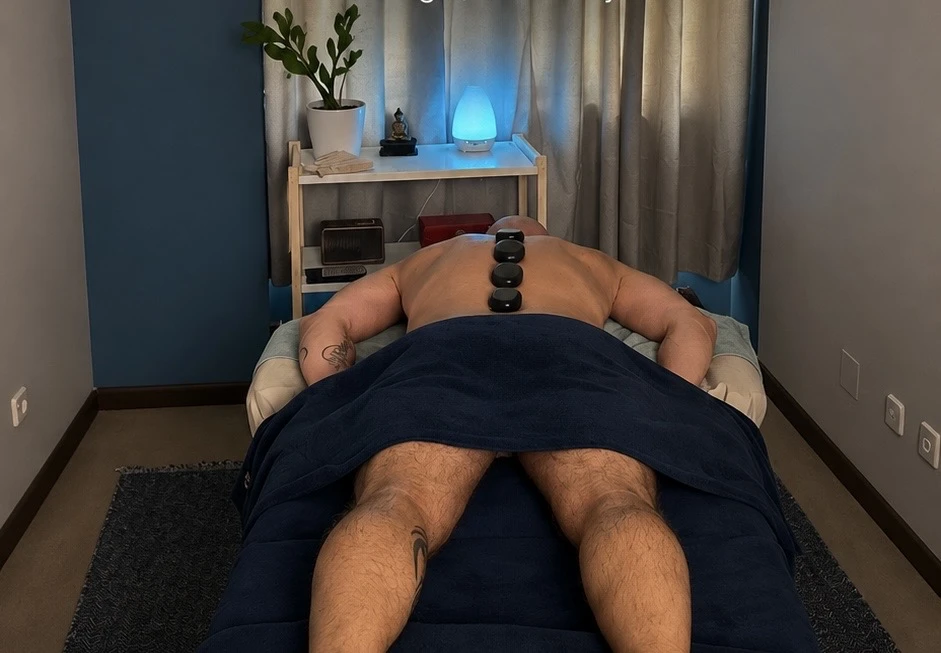
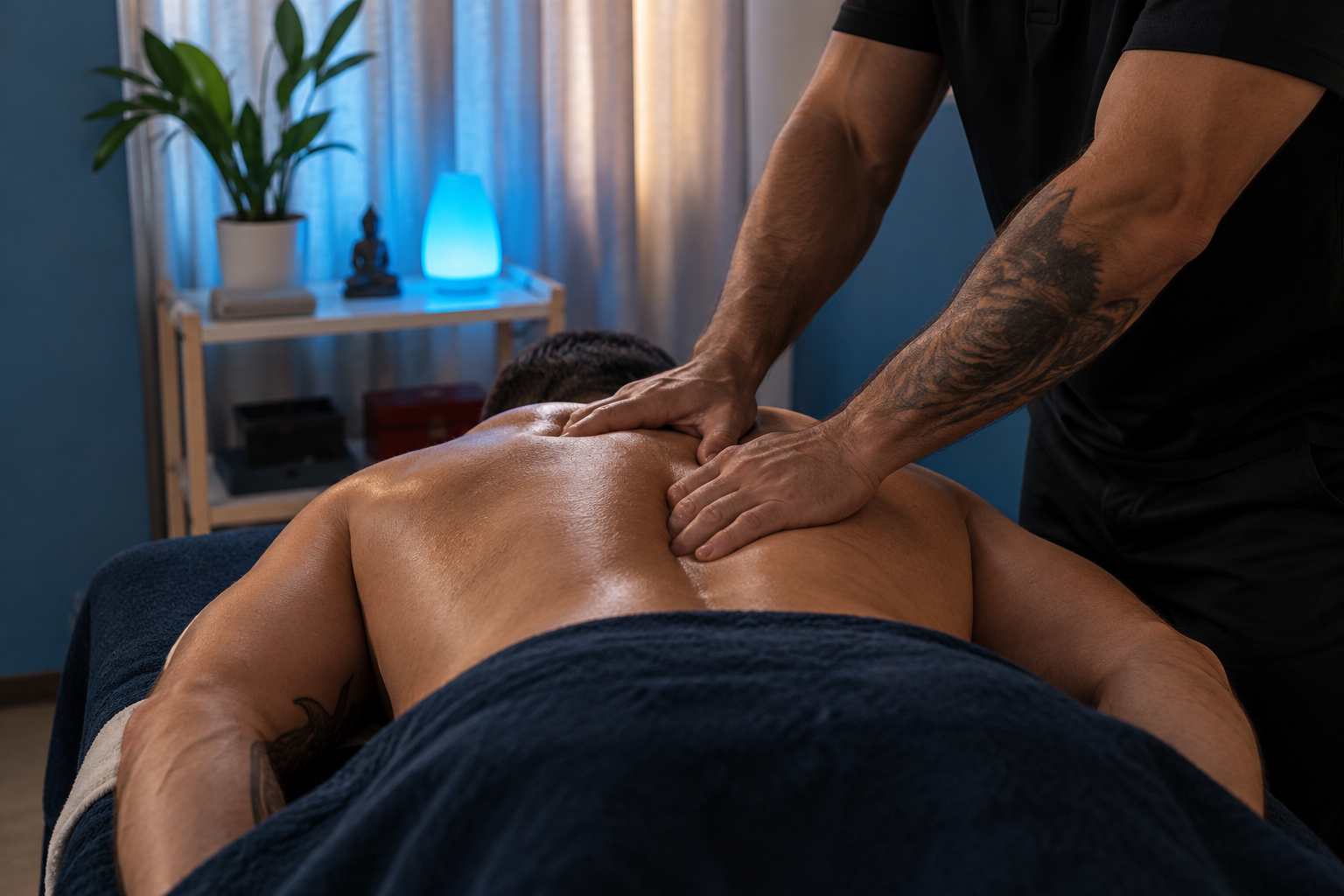
For a lot of men, massage still gets filed under "occasional treat" rather than "routine maintenance", something booked after a big event or a stressful month, rather than something built into a regular routine the way training or sleep might be.
Years of Tension Don't Resolve on Their Own
That's worth reconsidering. Years of desk work, manual labor, or training all leave the body carrying patterns of tension that don't resolve on their own just because you rest for a weekend. Left alone, that tension tends to compound quietly rather than announce itself, until it eventually does.
The Nervous System Benefits Too
There's also a side to massage that has little to do with muscles. Many men notice that the quiet, unhurried time of a session gives the nervous system a chance to actually downshift, something that's harder to access in daily life than it sounds. It's part of why bodywork sits alongside dialogue as one of the pillars of The MENd Method Studio.
Making It Part of Your Routine
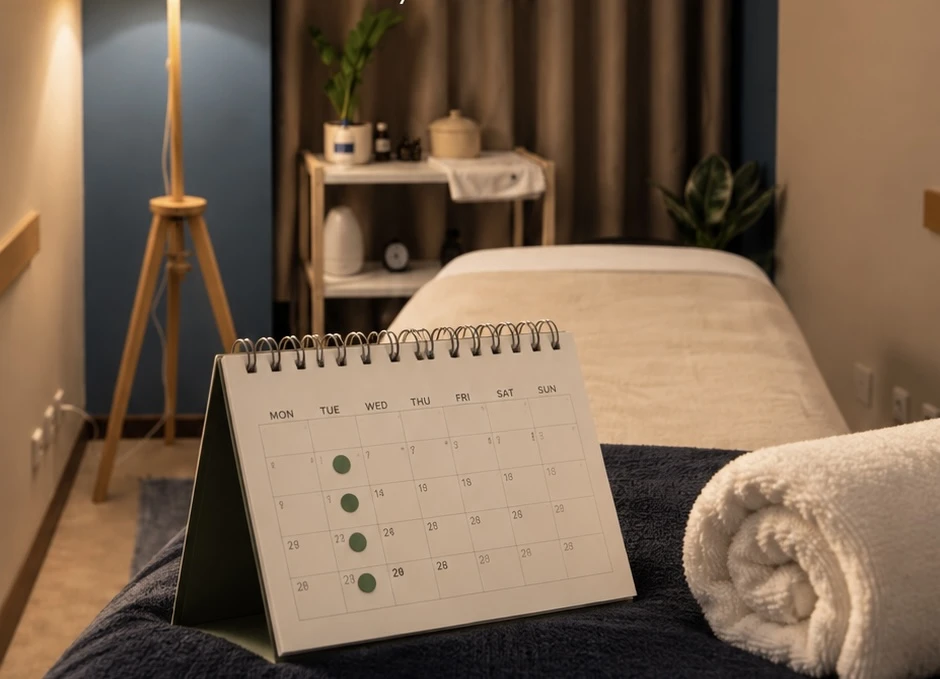
Making massage part of a regular routine doesn't require a major overhaul, it usually starts with picking a realistic, honest frequency based on what your body's telling you, being upfront with your therapist about where you're carrying tension, and treating the session as maintenance rather than something you earn only after things get bad. If it's been a while, or you've never made massage a regular part of taking care of yourself, there's no better time to start than before things start to hurt.